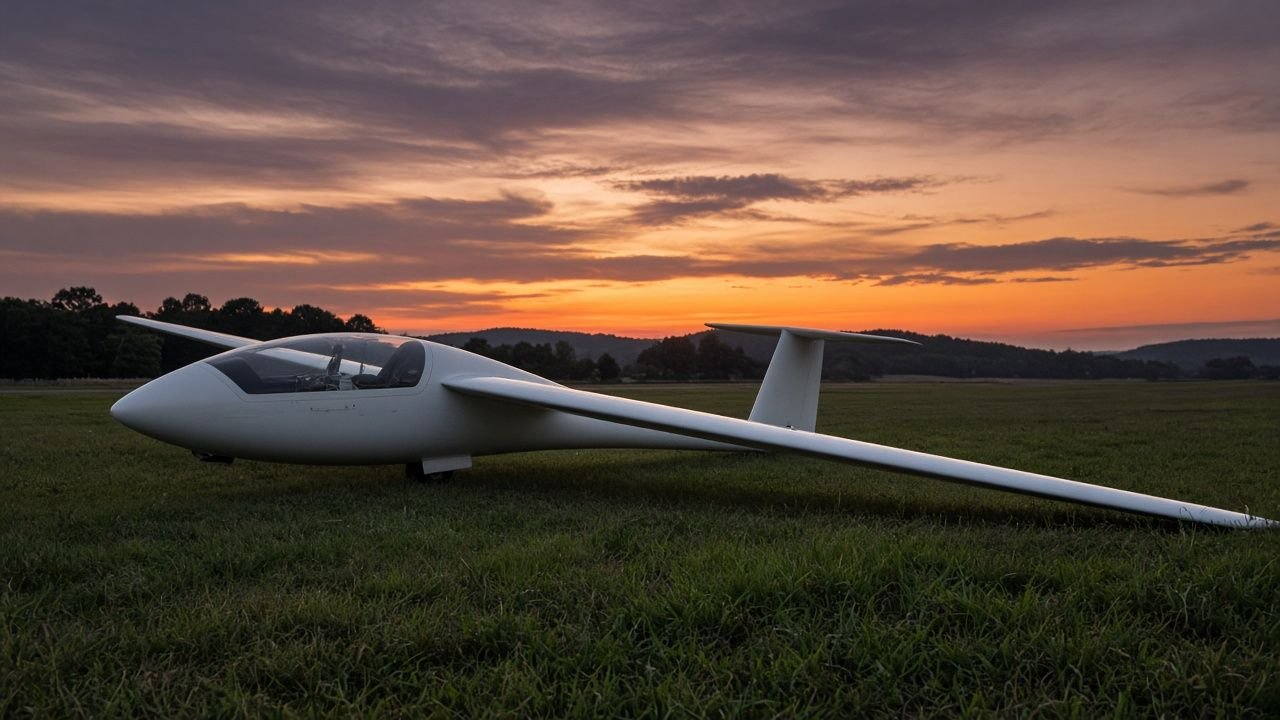
Touring motor glider
A two-seater with an engine in the nose, often side by side. It takes off like a light aircraft, then stops and feathers the propeller to glide.
Motor gliding and soaring
Motor Glider Club is a website about motor gliders: long, quiet wings with a small engine for getting airborne, and the thermals, ridges and mountain waves that keep them up for hours without it.

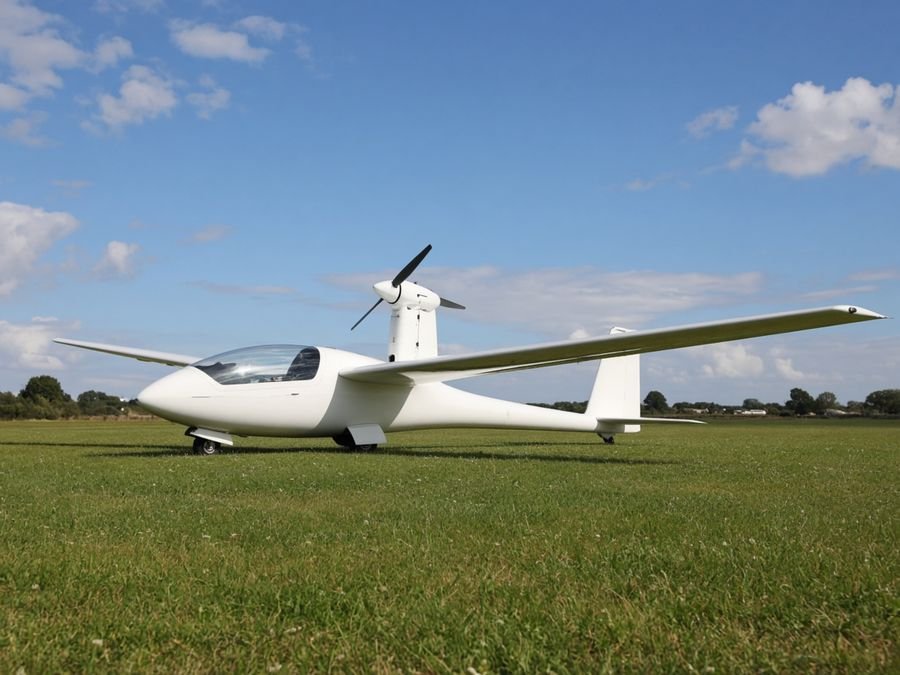
Engine on, engine off
A glider normally needs a tug aircraft or a winch to get into the air. A motor glider carries its own way up: an engine that runs for a few minutes after take-off and is then switched off, the propeller folded, feathered or tucked away behind the cockpit.
From then on it flies like any sailplane, using rising air. The engine waits in reserve for the end of the day, when the lift fades and the field is still twenty miles away.
Thermals
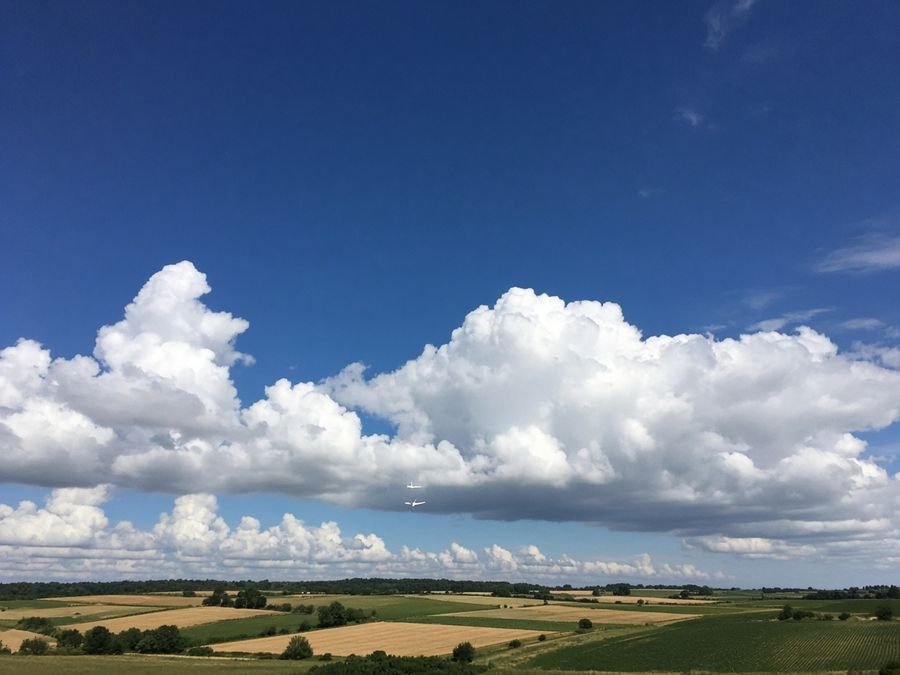
Sunshine warms some ground faster than others. Over a ploughed field, a town or a sunny slope, a bubble of warm air breaks away and rises. If the air is moist enough, a cumulus cloud forms where it cools at the top.
Glider pilots fly from cloud to cloud, circling tightly in each climb, then gliding fast to the next one.
Ridge lift
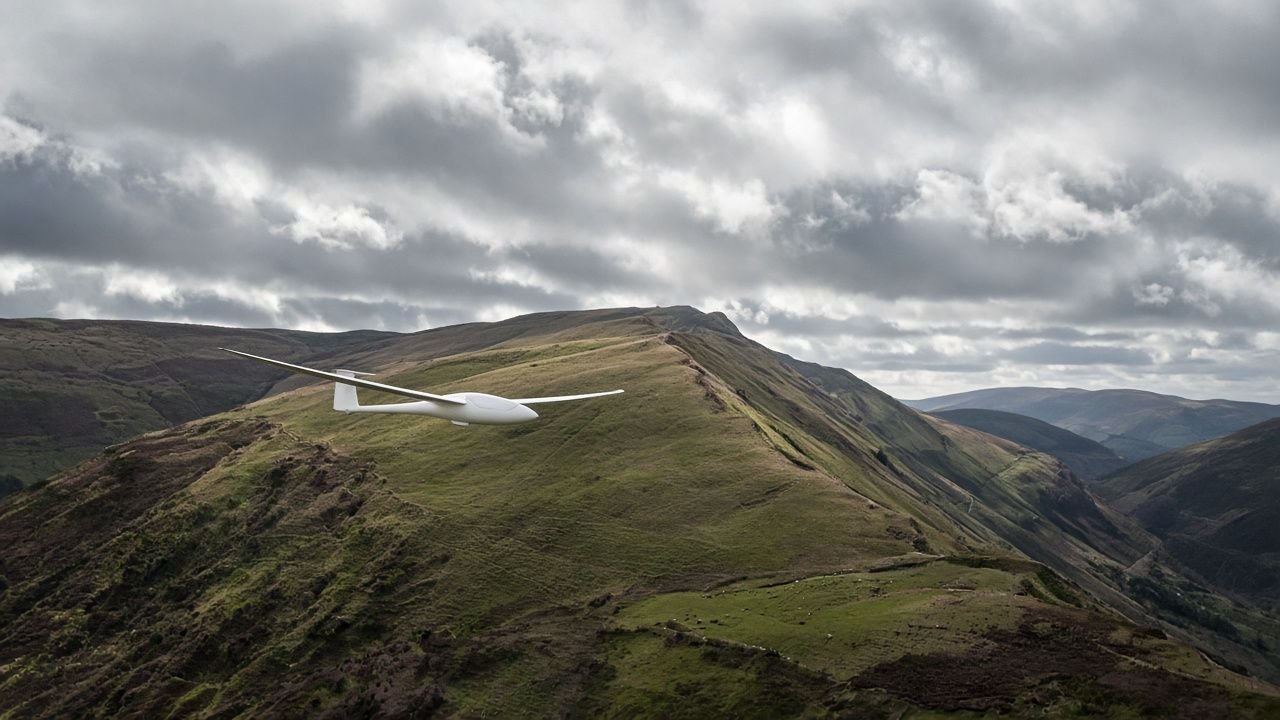
Wind blowing against a long ridge is pushed upwards along the slope. A glider can fly up and down the face of the hill in that band of rising air for as long as the wind keeps blowing.
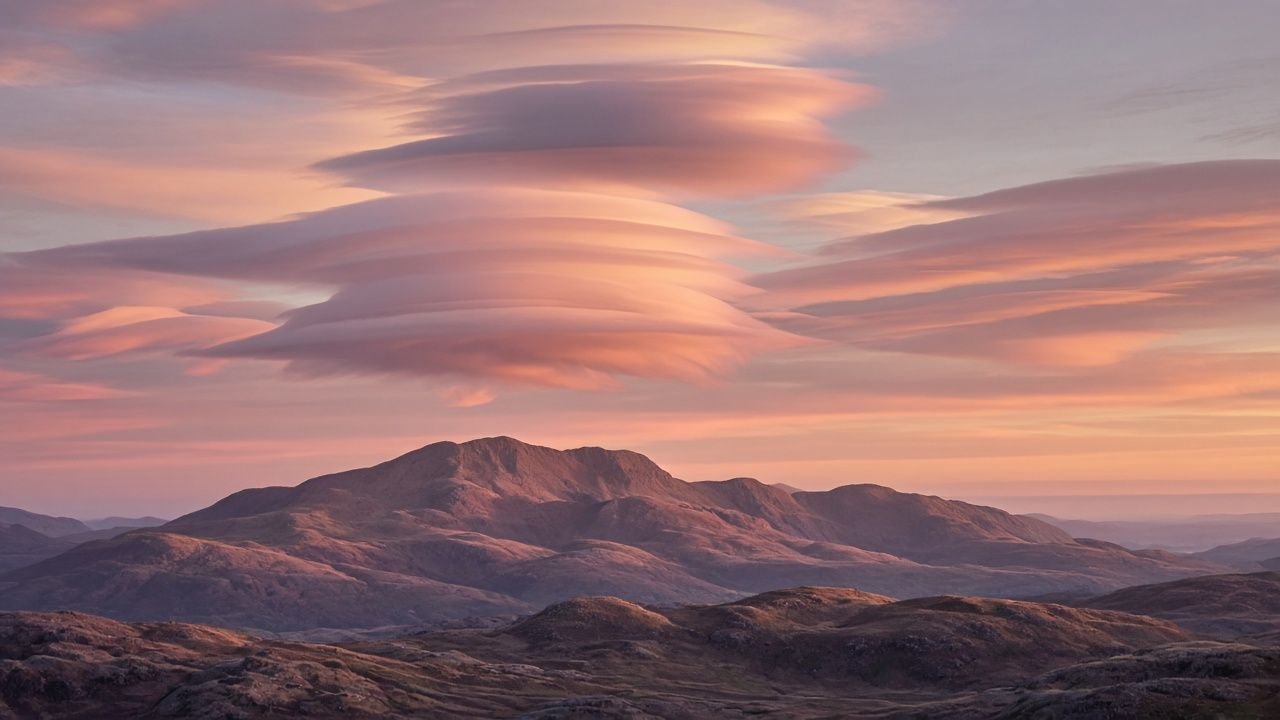
The smoothest climb in the sky is in the wave.
In the hangar
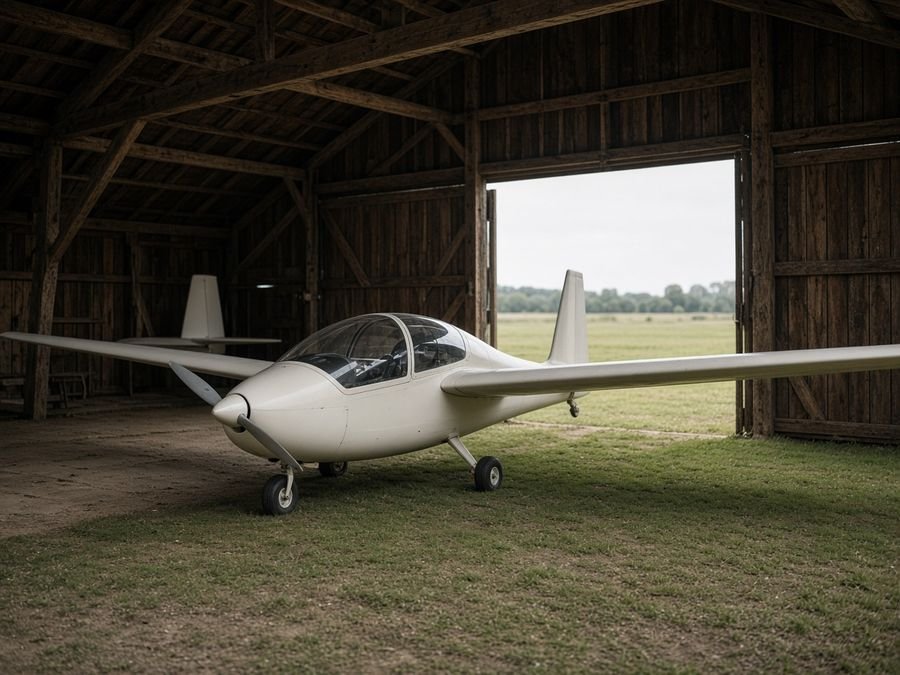
A two-seater with an engine in the nose, often side by side. It takes off like a light aircraft, then stops and feathers the propeller to glide.
A high-performance glider with an engine and propeller that rise from behind the cockpit on a mast. After launch they fold away and the glider is a glider again.
A glider with a small engine that cannot launch it but can hold it up long enough to find the next thermal, so a weak day no longer means a field landing.
The panel
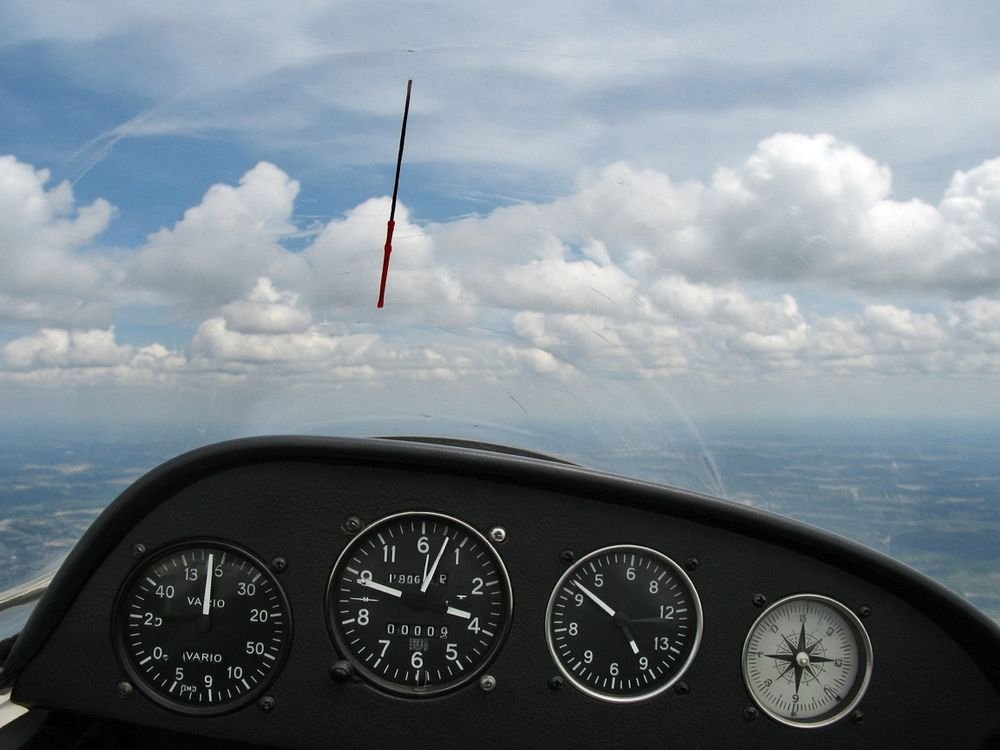
A glider panel is simple. Most important of all is the variometer, which shows whether you are going up or down and often sings it in rising or falling tones, so your eyes can stay outside.
Glide ratio
A modern glider might lose one metre of height for every forty or more it travels forward in still air. The very best open-class sailplanes do better than sixty to one.
The airfield day
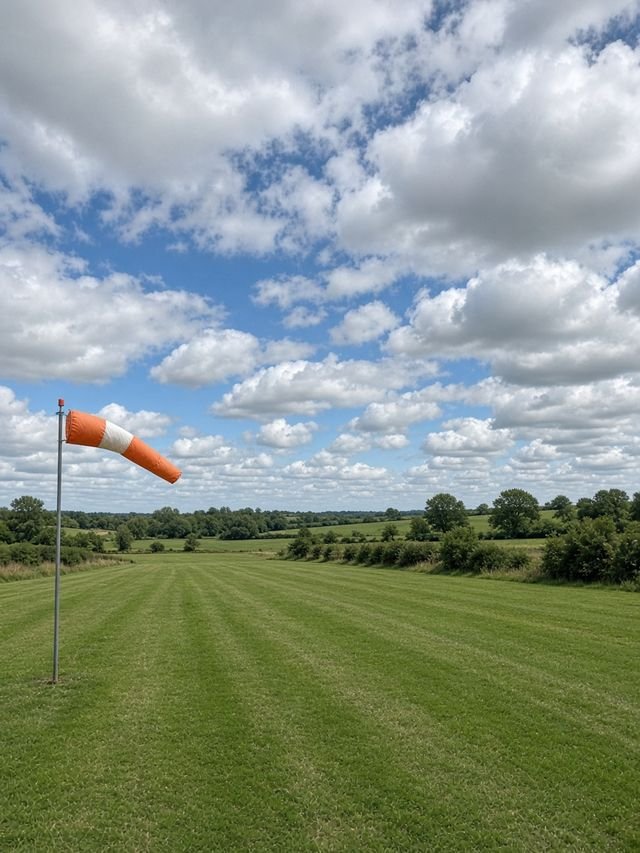
Most gliding happens from grass airfields. The day starts with the weather briefing and a look at the sky, gliders are wheeled out and rigged, and the launch queue forms. Motor gliders simply taxi out and go.
By evening, the sky goes blue and quiet, the wings come off, and the talk turns to who climbed highest under which cloud.